
Worried a Tube strike might ruin your London trip? Keep calm and keep your Oyster card handy.
You’re not alone.
I have been caught up in Tube strike announcements more than once.
During one trip, the Piccadilly line was expected to be affected on the same day I was flying back to Canada. Since Heathrow is usually my airport of choice, I immediately started looking for backup plans. We even booked a taxi just in case. A few days before departure, the strike was called off. We cancelled the taxi, paid a cancellation fee, and considered it money well spent for the peace of mind.
On another visit, strike action did go ahead and once again it happened to fall on my travel day. This time, the Elizabeth line was still operating, so we simply adjusted our plans and used that instead.

Those experiences taught me something important: London rarely comes to a complete standstill during Tube strikes. In many cases, the disruption affects commuters far more than tourists.
If you’re staying in central London, you may already be within walking distance of many major attractions.
This guide covers seven practical ways to get around London during a Tube strike, from walking and buses to riverboats and sightseeing tours.
Important: Strike services vary by date, union action, and which staff groups are participating. Always verify information directly with TfL before travel.
A little planning goes a long way, and with the right backup plan, you can still enjoy everything London has to offer.
Short on Time? Here’s What to Book
| 🚇 Check live transport updates. Use the official TfL Journey Planner before leaving your hotel. 📱 Stay connected during disruptions – Get an eSIM with Airalo and check routes on the go. Use Discount code: GH7462 🏨 Staying near a major station can save time during strikes. Find hotels in London here. 🎟️ Book attractions here in advance so you can adjust your transport plans around timed entries. |
Will a Tube Strike Ruin Your London Trip?
No. Most attractions remain open during Tube strikes, and visitors can usually continue sightseeing using buses, trains, riverboats, walking routes, and other alternatives.
If you’re staying in Central London and planning to visit areas like Westminster, Covent Garden, Soho, South Kensington, or the South Bank, you may spend much of your day walking between attractions anyway. Many of London’s most popular sights are closer together than they appear on the Tube map.
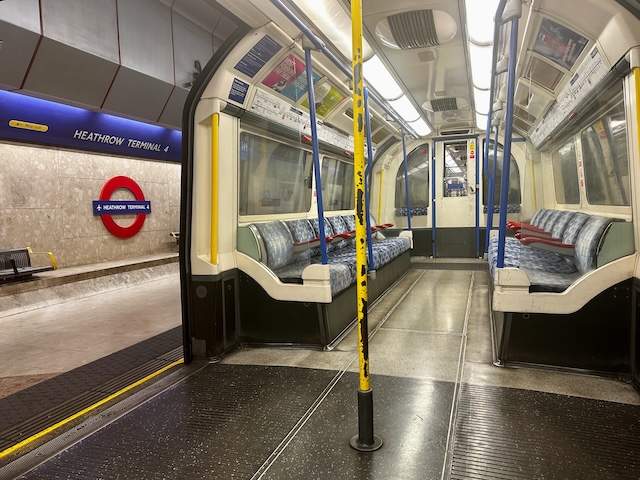
While transport disruptions can add extra travel time, most visitors can still see and do everything on their itinerary with a little flexibility and some advance planning.
Best Ways to Get Around London During a Tube Strike
London has one of the most extensive transport networks in the world, and there are usually several ways to reach your destination. Depending on where you’re going, buses, riverboats, trains, walking and even cycling can be excellent alternatives to the Underground.

1. Walk Between Central London Attractions
Many central London attractions are closer together than they look on a Tube map.
Easy Central London Walkable Zones
| From | To | Approx Time |
| Covent Garden | Leicester Square | 5 mins |
| Leicester Square | Piccadilly Circus | 7 mins |
| Westminster | London Eye | 10 mins |
| Trafalgar Square | Covent Garden | 12 mins |
| Tower Hill | Tower Bridge | 10 mins |
| Soho | Oxford Circus | 15 mins |
Best London Neighbourhoods for Walking
- Westminster
- South Bank
- Covent Garden
- Soho
- Mayfair
- South Kensington
Wear comfortable shoes.
On one trip, I walked far more than planned and ended up discovering cafés, side streets and photo spots I would have missed underground.
2. Use London’s Bus Network
When Tube services are disrupted, London’s red buses become the stars of the show.

The network reaches almost every corner of the city and often continues operating even when Underground services are affected.
Use your Oyster card or contactless payment just as you normally would.
One advantage many visitors overlook is that buses often use dedicated bus lanes, which can make them faster than taxis stuck in traffic.
Bus Routes for Sightseeing
Route 11 covers many iconic central London sights like Westminster, Trafalgar Square, St Paul’s area
Route 9 passes through Kensington and central London.
Route 24 connects Camden with Westminster.
Sitting on the upper deck can feel like a budget sightseeing tour.
3. Take the Elizabeth Line, DLR and Rail Services
Many visitors forget that London has far more transport options than the Underground.
Depending on the strike, these services may continue operating:
- Elizabeth line
- London Overground
- DLR
- National Rail services
These alternatives are especially useful for airport journeys and destinations such as Canary Wharf and Greenwich.
Always check live status before travel.
4. Travel by Riverboat
If the roads are congested and train stations feel crowded, consider taking to the river instead. Thames riverboats offer a practical way to get around London while avoiding some of the congestion affecting other parts of the transport network.

Are Thames Riverboats Good During Tube Strikes?
Yes, especially if you’re travelling between central London and Greenwich. Uber Boat by Thames Clippers is one of London’s most useful alternatives during transport disruptions. Travelling along the Thames can be a relaxing alternative.
Riverboats work particularly well for journeys between Westminster, Tower Pier, Canary Wharf, and Greenwich. If Greenwich is already on your itinerary, travelling by river can be one of the easiest and most enjoyable ways to avoid strike-related congestion.
5. Use Taxis and Rideshares
Sometimes convenience wins.
If you’re travelling with luggage, have mobility concerns, or simply do not want to deal with crowded stations, taxis and rideshares can be a good backup option.
London offers several options, including black cabs, Uber, Bolt, and Free Now. Just be prepared for higher demand than usual. During strike periods, fares can increase, wait times may be longer, and road traffic often becomes heavier as more people choose to travel above ground.
If you’re travelling as a group, a taxi can sometimes work out to be surprisingly affordable once the fare is split between three or four people.
I usually keep Uber installed on my phone whenever I visit London, even if I expect to use public transportation for most of the trip. It’s one of those apps you hope you won’t need, but it’s reassuring to have when plans suddenly change.
6. Cycle or Use Rental E-Scooters
For confident riders, cycling can be another useful alternative during Tube strikes. London has become increasingly bike-friendly in recent years. Dedicated cycle lanes are available in many parts of the city.
One of the most popular options is Santander Cycles, London’s public bike-sharing scheme. You’ll find docking stations throughout central London.

You may also notice other bike services such as Lime Bikes and Forest Bikes throughout the city. During my recent visits, I saw Lime Bikes almost everywhere, especially around central London and popular tourist areas.
Cycling works particularly well in areas such as Hyde Park, Kensington, South Bank, and Regent’s Park, where routes tend to be more scenic and less stressful than busy city roads. If you are not used to cycling in large cities, I recommend sticking to parks, designated cycle paths and quieter neighbourhood streets.
Important E-Scooter Rule
Rental e-scooters operate only in approved London trial zones.
Privately owned e-scooters are generally restricted on public roads and pavements.
Use official rental providers only and check operating areas before renting.
Source: https://www.gov.uk/guidance/e-scooter-trials-guidance-for-users
7. Consider a Hop-On Hop-Off Sightseeing Bus
If your main goal is sightseeing rather than getting from A to B as quickly as possible, a hop-on hop-off bus can be a surprisingly useful Tube strike alternative.
Most routes connect major attractions such as:
- Big Ben
- Westminster Abbey
- Buckingham Palace
- Trafalgar Square
- Tower of London
- Tower Bridge
- St Paul’s Cathedral
While these buses are usually more expensive than public transport, they can eliminate the need to navigate a disrupted transport network while still allowing you to see many of London’s most famous landmarks.
On a strike day, the convenience can sometimes outweigh the extra cost, especially for first-time visitors who were already considering a sightseeing bus tour.
Good for:
- First-time visitors
- Families
- Short stays
- Visitors who want transportation and sightseeing combined
Less ideal for:
- Budget travellers
- Visitors who already know London well
What Happens During a London Tube Strike?
One of the biggest mistakes visitors make is assuming every strike means the entire Underground closes.
That is not always the case.
Partial Strike
During a partial strike you may experience:
- Reduced service on certain lines
- Longer waiting times
- Earlier station closures
- Busier platforms
- Some stations temporarily closing
Major Strike or Full Closure
A larger strike may result in:
- Significant service reductions
- Entire lines being suspended
- Heavy demand on buses and trains
- Increased road traffic
- Longer taxi wait times
Knock-On Disruption
Even when your Tube line remains open, services can still feel crowded.
Thousands of commuters often switch to buses, National Rail, Overground, or taxis, creating congestion across the transport network. Travel may still take longer than normal.
Apps and Websites for Tube Strike Updates and Live Service Status
Real-time information is your best friend during a Tube strike.
Before leaving, check your specific Tube line and route using:
- TfL for strike updates and journey planner
- Google Maps
- Citymapper
- Transit App
I personally like Transit app and Citymapper because they often suggest alternative routes I wouldn’t have considered on my own.
Avoid relying on information you saw the day before. Conditions can change quickly.
Best Time to Travel on Strike Days
Timing matters.
Peak Hours to Avoid
If possible, avoid travelling during:
- 7:00 AM to 9:30 AM
- 4:30 PM to 7:00 PM
These are commuter rush periods when queues, crowding, and traffic are usually worst.
If you have attraction tickets booked, leave earlier than you normally would.
How to Plan Your Day During a Transport Strike
One of the easiest ways to reduce stress is to group attractions by area. Rather than crossing the city multiple times, focus on one neighbourhood at a time.
Three Easy London Itineraries During a Tube Strike
Sometimes the best approach is to stay within one area and explore on foot.
Westminster and South Bank Day
You can easily combine:
- Big Ben
- Westminster Abbey
- London Eye
- SEA LIFE London Aquarium
- South Bank

West End Walking Day
Stay within central London and visit:
Morning: Trafalgar Square + National Gallery
Lunch: Covent Garden
Afternoon: Soho + shopping streets
Evening: Piccadilly Circus lights

This itinerary requires very little transportation and is easy to complete on foot.
Kensington Museum Day
South Kensington is perfect during a strike because several major attractions are within walking distance.
Three major museums sit within a few minutes of each other: the Natural History Museum, Science Museum, and Victoria and Albert Museum.
Greenwich River Day
Boat to Greenwich
Visit Cutty Sark
Lunch at Greenwich Market
Royal Observatory views
Excellent strike-day option.
Airport Travel During London Transport Disruptions
For many visitors, airport transport is the biggest concern when a Tube strike is announced. The good news is that London has multiple transport options. Most airports remain accessible even when parts of the Underground are disrupted.

Please note that major transport hubs such as King’s Cross St Pancras, Victoria, Waterloo, London Bridge and Euston can become significantly busier during strike periods.
Quick Airport Alternatives During a Tube Strike
| Airport | Best Alternative During a Tube Strike |
| Heathrow | Elizabeth Line; Heathrow Express |
| Gatwick | Thameslink |
| Stansted | Stansted Express |
| Luton | Thameslink |
| London City | DLR |
Heathrow Airport (LHR)
Heathrow is London’s busiest airport and one of the most common concerns during Tube strikes. While disruptions to the Piccadilly line can affect some journeys, several alternative transport options usually remain available.

How to Get to Heathrow During a Tube Strike
If the Piccadilly line is affected, Heathrow may still be accessible through several alternative routes.
Options include:
- Elizabeth line
- Heathrow Express
- National Express coaches
- Taxi or rideshare services

Whenever I fly during a strike period, I build extra time into my schedule and identify at least one backup route before leaving the hotel.
Gatwick Airport (LGW)
Gatwick is usually one of the easiest airports to reach during a Tube strike because it relies primarily on National Rail services.

Stansted Airport (STN)
The Stansted Express typically continues operating during Tube strikes.
The service runs between Stansted Airport and Liverpool Street Station, with some trains stopping at Tottenham Hale along the way.
If you’re travelling from central London, check the best route to Liverpool Street before setting off, as connecting services may be busier than usual.
London City Airport (LCY)
London City Airport is served by the DLR rather than the Underground.
Alternative options include:
- DLR services
- Local buses
- Taxis and rideshares
Expect the DLR to be busier than normal during strike periods.
Luton Airport
Luton Airport generally remains accessible through National Rail services.
Options include:
- Luton Airport Express
- Thameslink services
- Other National Rail services
Most passengers travel to Luton Airport Parkway station before transferring to the airport shuttle service.
Airport Travel Tips
- Aim to arrive at the airport earlier than you normally would.
- If your route passes through major stations such as King’s Cross, Victoria, Waterloo, London Bridge, or Euston, allow extra time for congestion.
- Consider staying near the airport before an early-morning flight during major disruption.
Tube Strike Survival Checklist
The Night Before
- Check TfL service updates
- Download Citymapper
- Identify backup route
- Save important tickets and reservations
Before Leaving (Morning of)
- Check live service status
- Leave earlier than usual
- Avoid peak commuter hours when possible
- Allow extra time for airport journeys
Frequently Asked Questions
Tube strikes can be unpredictable, and visitors often have similar concerns when travel plans are affected. Here are answers to some of the most common questions tourists ask during London Underground strikes.
Should You Cancel Attraction Bookings?
Usually no. Most attractions remain open during Tube strikes. In most cases, adjusting your route or allowing extra travel time is enough to keep your plans on track. Only consider cancelling if severe disruption makes arrival unrealistic.
Are Museums Busier During Tube Strikes?
Often yes. Many visitors choose indoor attractions or nearby museums instead of travelling across the city.
Are Elizabeth line services affected by Tube strikes?
Usually the Elizabeth line is separate from the Underground, so it may run normally. However, separate rail issues or staffing disruption can still affect service.
Are buses free during Tube strikes?
No. Standard fares still apply.
Can I still use Oyster or contactless?
Yes. These remain the easiest payment methods for London transport.
What is the best transport during a Tube strike?
The best option depends on where you’re staying and where you’re going. Central London visitors often find walking easiest, while buses, rail services and riverboats help cover longer journeys.
Is London still worth visiting during a strike?
Yes. A Tube strike may disrupt your plans, but it does not stop London. The city has plenty of alternatives, including buses, riverboats, National Rail services, the Elizabeth line, taxis, cycling routes, and walkable neighbourhoods. With a little flexibility and some advance planning, most visitors can still see the attractions on their itinerary.

In some ways, a strike can even encourage you to experience London differently. You may find yourself exploring a neighbourhood on foot, taking a scenic riverboat along the Thames, or enjoying views from the top deck of a red London bus instead of travelling underground.
I’ve visited London several times and have used everything from the Tube and buses to trains, riverboats, and plenty of walking. While transport disruptions can be inconvenient, they have never prevented me from enjoying the city.
Plan ahead, allow extra travel time, and stay flexible, and you’ll still have a fantastic trip.
Enjoy,

Save this for later

